

Opening Hours
Mon-Sun: 09:00am - 10:00pm
Quick Contact
Leading the
We're committed to revolutionizing the energy landscape by advocating for cleaner solutions and illuminating pathways towards a greener future.
Innovative
Discover cutting-edge strategies like carbon capture and storage, energy efficiency enhancements, and the potential of bioenergy.

our services
We provide energy-efficient technologies and consulting services to help reduce energy consumption and minimize environmental impact. Our solutions include LED lighting, smart thermostats, and energy-efficient appliances.
Our backup power solutions ensure uninterrupted electricity supply during outages. We offer generators, UPS systems, and battery storage solutions for homes, businesses, hospitals, and critical infrastructure.
We provide comprehensive solutions for transitioning from carbon-intensive energy sources to cleaner alternatives, including renewable energy integration and carbon capture technologies.
Our decarbonization journey services help organizations fundamentally transform their energy production and consumption patterns to significantly reduce carbon emissions and mitigate climate change.

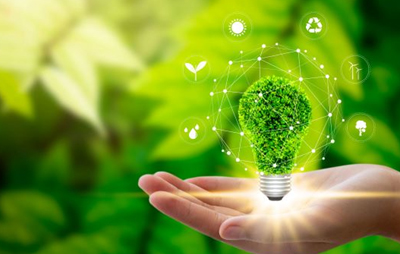

know about us
Welcome to our website, where we delve into the world of carbon energy sources and their environmental impact, all while exploring innovative alternatives to curtail carbon emissions. Carbon energy sources, including coal, oil, and natural gas, have long been staples of global energy production, but their combustion releases substantial carbon dioxide (CO2) and other greenhouse gases, exacerbating climate change and environmental concerns.
At ASIA PACIFIC PROJECT MANAGEMENT PVT LTD, we are committed to revolutionizing the energy landscape by advocating for cleaner solutions. Our mission is to provide you with comprehensive insights into the detrimental effects of carbon energy sources and to illuminate pathways towards a greener future. Through this platform, we strive to empower individuals and businesses with knowledge about renewable energy sources like solar, wind, hydroelectricity, and geothermal power.
We understand the urgency of the climate crisis and the imperative to reduce carbon emissions. That's why we highlight cutting-edge strategies like carbon capture and storage (CCS), energy efficiency enhancements, and the potential of bioenergy. Our experts meticulously analyze the latest advancements in these fields and present them in an accessible manner to guide you in making informed decisions.
Join us in the journey towards sustainability. Explore our resources to gain a deeper understanding of the environmental consequences of carbon energy and to discover actionable steps that lead to a more sustainable and vibrant future for generations to come.
ENERGY SAVING An energy-saving company is a business that focuses on providing products, services, and solutions designed to help individuals and organizations reduce their energy consumption and minimize their environmental impact. These companies often offer a range of energy-efficient technologies, such as LED lighting, smart thermostats, solar panels, energy-efficient appliances, and more. They may also provide consulting services to help clients identify areas where energy savings can be achieved and develop strategies for implementing energy-efficient practices.
The primary goal of energy-saving companies is to help clients lower their energy bills, decrease their carbon footprint, and contribute to sustainability efforts. By promoting and implementing energy- efficient solutions, these companies play a crucial role in advancing the transition to a more sustainable and environmentally friendly energy consumption model.
A backup power company is a business that specializes in providing backup power solutions to ensure uninterrupted electricity supply during power outages or disruptions. These companies offer a variety of backup power systems, including generators, uninterruptible power supply (UPS) systems, and battery storage solutions.
Backup power systems are essential for various settings, including homes, businesses, hospitals, data centers, and critical infrastructure. They provide a reliable source of electricity when the main power grid fails, helping to prevent data loss, equipment damage, and disruptions in daily operations.
Backup power companies offer a range of products and services, including system installation, maintenance, and monitoring. They work closely with clients to assess their power needs, recommend suitable backup power solutions, and ensure that the systems are properly installed and functioning as intended.
Both energy-saving and backup power companies contribute to improving energy efficiency, sustainability, and reliability in different ways. Energy-saving companies focus on reducing overall energy consumption, while backup power companies address the need for continuous power supply in the event of outages.
Carbon energy sources are primarily fossil fuels that release carbon dioxide (CO2) and other greenhouse gases when burned for energy. These sources have been the mainstay of global energy production for centuries, but their extensive use has led to environmental and climate-related concerns. Here's an overview of carbon energy sources, their impact, and alternatives to reduce carbon emissions:
Coal: Coal is a carbon-rich fossil fuel that has been widely used for electricity generation and industrial processes. When burned, coal releases significant amounts of CO2, sulfur dioxide (SO2), and other pollutants.
Oil: Crude oil and its derivatives, like gasoline and diesel, are used for transportation, heating, and various industrial applications. Burning oil releases CO2, as well as other pollutants harmful to air quality and human health.
Natural Gas: Natural gas is considered a cleaner-burning fossil fuel compared to coal and oil. However, it still emits CO2 when burned. Natural gas is often used for electricity generation, heating, and industrial processes.
The burning of carbon energy sources releases substantial CO2 and other greenhouse gases into the atmosphere. These gases trap heat and contribute to global warming, leading to climate change with severe consequences, such as rising sea levels, more frequent and intense heatwaves, and disruptions to ecosystems.
Renewable Energy Sources: Transitioning to renewable energy sources such as solar, wind, hydroelectric, and geothermal power can significantly reduce carbon emissions. These sources generate electricity without emitting CO2 and have a much lower environmental impact.
Nuclear Power: Nuclear power produces electricity without CO2 emissions, although it comes with its own set of challenges related to waste disposal and safety.
Energy Efficiency: Improving energy efficiency in buildings, transportation, and industrial processes can decrease the demand for carbon energy sources. This involves using energy-efficient appliances, better insulation, and adopting energy-saving technologies.
Carbon Capture and Storage (CCS): CCS involves capturing CO2 emissions from power plants and industrial processes and storing them underground to prevent their release into the atmosphere. It's a technology that can help reduce emissions from existing carbon energy sources.
Bioenergy: Bioenergy involves using organic materials like biomass and biofuels for energy production. While it does emit CO2 when burned, the CO2 is considered part of the natural carbon cycle, as the plants used for bioenergy absorb CO2 during their growth.
Electrification: Shifting from fossil fuel-powered vehicles to electric vehicles and using electric heat pumps for heating can reduce direct carbon emissions by relying on cleaner electricity sources.
Carbon Pricing and Policy: Implementing carbon pricing mechanisms and policies that encourage the adoption of low-carbon technologies can drive change across industries and encourage emissions reductions.
In conclusion, carbon energy sources have a significant environmental impact due to their emissions. Transitioning to cleaner alternatives and adopting energy-efficient practices are essential steps to reduce carbon emissions and mitigate climate change.
Welcome to our decarbonization journey hub, where we embark on a transformative quest to combat climate change and forge a sustainable future. Our commitment lies in untangling the web of carbon emissions and illuminating a pathway towards a greener world.
Embarking on a decarbonization journey is a commitment to fundamentally transform the way we produce, consume, and think about energy. It's a pathway toward reducing carbon emissions and mitigating the effects of climate change. This journey involves a series of deliberate steps and strategic choices aimed at transitioning from carbon-intensive practices to more sustainable and low-carbon alternatives. Here's an overview of what a decarbonization journey entails:
Incorporating these steps into your decarbonization journey contributes to a more sustainable and resilient future for the planet. Remember, the journey might vary based on the scale of your efforts, but the goal remains the same: to reduce carbon emissions and safeguard our environment for generations to come.
The first step in any decarbonization journey is recognizing the urgency of addressing climate change and the detrimental impacts of carbon emissions on our planet. This understanding provides the motivation to take action and seek alternatives to carbon-intensive practices.
Defining clear and ambitious goals is crucial. Whether you're an individual, a company, a community, or a nation, setting targets for reducing carbon emissions provides a roadmap for your decarbonization efforts. These goals might include specific emission reduction percentages, transitioning to renewable energy sources, or adopting energy-efficient technologies.
Before you can reduce carbon emissions, you need to know where they're coming from. Conducting a comprehensive assessment of your current emissions helps identify the sectors, activities, and processes that contribute the most to your carbon footprint.
One of the central pillars of decarbonization is shifting from fossil fuels to renewable energy sources like solar, wind, hydroelectricity, and geothermal power. This involves investing in renewable energy infrastructure, such as solar panels and wind turbines, and integrating them into the energy mix.
Reducing energy waste through efficiency measures is a vital aspect of decarbonization. Upgrading appliances, optimizing industrial processes, and improving building insulation are ways to lower energy consumption and, consequently, emissions.
Transitioning from fossil fuel-powered vehicles and equipment to electric alternatives helps decrease direct carbon emissions. This is particularly effective when the electricity used is generated from renewable sources.
Exploring and investing in emerging technologies, such as carbon capture and storage (CCS) and green hydrogen production, can contribute significantly to decarbonization efforts by capturing or eliminating carbon emissions from hard-to-abate sectors.
Advocating for supportive policies, incentives, and regulations can accelerate the decarbonization process. Government initiatives, carbon pricing, and international agreements play a pivotal role in creating an environment conducive to change.
Collaborating with stakeholders, sharing knowledge, and raising awareness about the benefits of decarbonization are essential for building a collective commitment to the cause.
Decarbonization is an ongoing journey that requires continuous monitoring, evaluation, and adjustment of strategies. As new technologies and practices emerge, adapting to stay on the cutting edge of sustainability is essential.
At the heart of our journey is the recognition of the urgent need to address climate change. We're motivated by the profound impact carbon emissions have on our planet, driving us to seek proactive solutions.
Charting the course forward, we've set bold goals to guide our decarbonization journey. These goals shape our actions and serve as beacons of progress, propelling us toward a future with diminished carbon footprints.
Understanding is the cornerstone of change. We meticulously assess current emissions to identify their sources, empowering us to make informed decisions and target areas for transformation.
Transitioning to renewable energy sources is a pivotal step in our journey. Through strategic investments in solar, wind, hydroelectricity, and geothermal power, we're carving a sustainable energy landscape.
Reducing energy waste is a crucial aspect of our journey. We embark on an odyssey of energy efficiency improvements, optimizing processes, appliances, and structures to curtail consumption.
Our journey involves embracing the electrification revolution. By replacing fossil fuel-dependent vehicles and equipment with electric alternatives, we're accelerating our drive to lower direct carbon emissions.
Venturing into uncharted territories, we invest in cutting-edge technologies like carbon capture and storage (CCS) and green hydrogen production. These innovations steer us towards emission-free solutions.
Our journey extends beyond individual efforts. We champion policy changes, advocate for incentives, and stand for international agreements that propel us toward a collective decarbonized future.
Collaboration is the bedrock of our journey. We unite with stakeholders, sharing knowledge and raising awareness to amplify our impact and inspire collective action.
Our journey is an ongoing evolution, marked by constant evaluation and adaptation. We stay on the pulse of emerging technologies and practices, ensuring our path remains aligned with sustainability.
Join us in this transformative odyssey towards a world free from carbon's grip. Explore our resources, engage with our initiatives, and be a part of a movement that shapes a resilient and thriving future for all. Together, we navigate the decarbonization journey, leaving a legacy of positive change for generations to come.
We're committed to revolutionizing the energy landscape by advocating for cleaner solutions and illuminating pathways towards a greener future.
ASIA PACIFIC PROJECT MANAGEMENT PVT LTD
4, 43/44 Roop Chambers,
Shop No. D410, Irulappan Street,
Sowcarpet Chennai.- 600079